
Sports are “all fun and games” until an eye injury happens. During Sports Eye Safety Month this April, learn what you must do to keep your family’s eyes safe during sporting activities.
Millions of Americans—including more than half of those under 18—play some kind of sports. For the most part it’s all good—a way to build both personal discipline and cooperation with others, as well as get some good old-fashioned exercise.
But there’s also a downside to playing sports: more than 2 million players, primarily kids and teens, visit the ER each year with sports-related injuries—mostly sprains, fractures, or concussions. But at least 40,000 of these injuries involve the eyes, a third of which having the potential to cause permanent vision loss.
There are a number of bad things that can happen to eyes during play, including:
Corneal Abrasions: a sharp object, even another player’s fingernail, jabs into the eye causing scratches (abrasions) to the cornea, the eye’s protective outer layer.
Trauma: an object—a ball, a puck, or another player—forcefully contacts the facial or ocular area, potentially causing fractured sockets, extreme bruising, or even a detached retina.
Lacerations. Sharp-edged objects cut into soft tissues, leaving a nasty wound to the skin around the eyes or the eyelids.
But here’s the real kicker: Doctors, including the physician team at Hattiesburg Eye Clinic, believe over 90% of such injuries are preventable. All it takes to avoid the ER is for athletes to wear eye protection appropriate to the type of sport they’re playing.
Not all sports are the same regarding eye injury risk. Some pose a greater risk, with basketball at the top of that list. If you or a loved one plays the hoops, as well as baseball, softball, football, racquetball or soccer, it’s imperative to wear proper eye protection.
But first, let’s dispel one myth about sports eye protection: regular glasses aren’t designed to stand up to the kind of blunt forces that can occur during contact sports. If a player also needs vision correction, it’s better to wear contacts along with the appropriate eye protection, or have the eye protection fitted with prescription lenses.
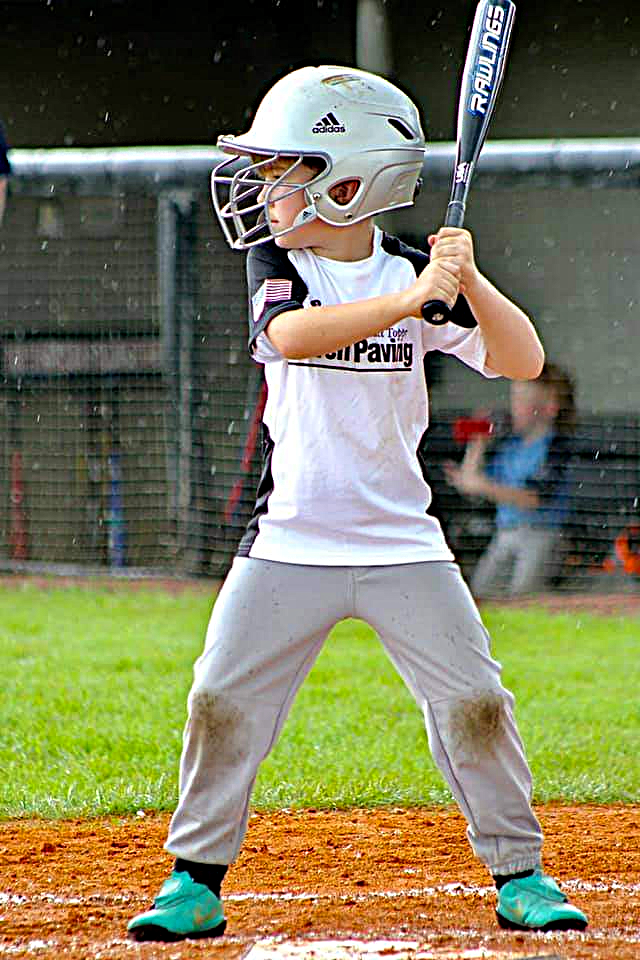
As to what’s appropriate for each sport, basketball players should wear sports goggles or rec specs made of high impact materials—and the same goes for soccer. For sports like baseball (during batting), football, or hockey, a polycarbonate face shield incorporated into the regular helmet offers the best protection.
For other sports, the eye injury risk may be lower but not zero. For example, tennis players still run a risk of eye injuries and can benefit from eye protection. During tennis matches, rec specs or other form of durable sports glasses with polycarbonate lenses offer that extra safety edge.
And with outdoor sports you should also consider protecting your eyes from the sun’s UV rays. To that end, be sure to wear UV-rated sunglasses or incorporate UV-protective tinting into goggles or rec specs while in the sun.
There’s little doubt playing sports offers a ton of benefits, physically, mentally, and socially. To enjoy those benefits to the fullest, keep athletes’ eyes safe with protective eye wear.
To learn more about Hattiesburg Eye Clinic’s comprehensive vision care services, be sure to visit our website. To find out how Hattiesburg Eye Clinic can improve your vision health, call 601-268-5910 (or toll-free 800-624-8254) or schedule a consultation with us at www.hattiesburgeyeclinic.com/contact-us/