
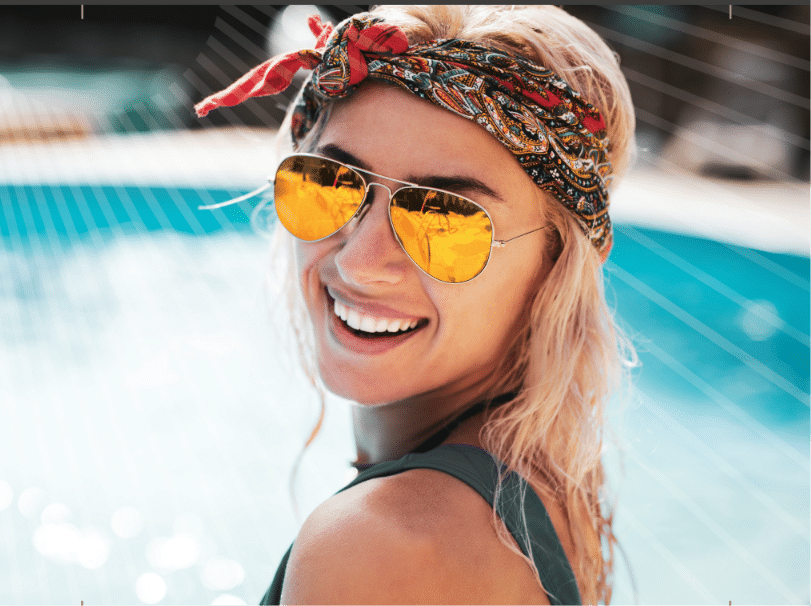
A little sunshine is good for you—but too much is another matter. During UV Safety Month in July, learn how you can protect your eyes during summer outdoor activities.
Summer has arrived! Time again to build up the old immune system with some solar Vitamin D. But like many other things in life, only in moderation—there is such a thing as too much sunbathing.
And that can mean more than just an unpleasant sunburn: the sun’s ultraviolet (UV) rays can cause considerable physical injury if you’re overexposed. According to Dr. Himali Patel, a therapeutic Certified optometrist with Hattiesburg Eye Clinic, your eyes as well as your skin are at risk.
“Besides skin cancer or excessive wrinkling, long-term exposure to UV rays can cause long-term eye damage,” says Dr. Himali Patel. “It can cause or accelerate many serious eye conditions like cataracts or macular degeneration.”
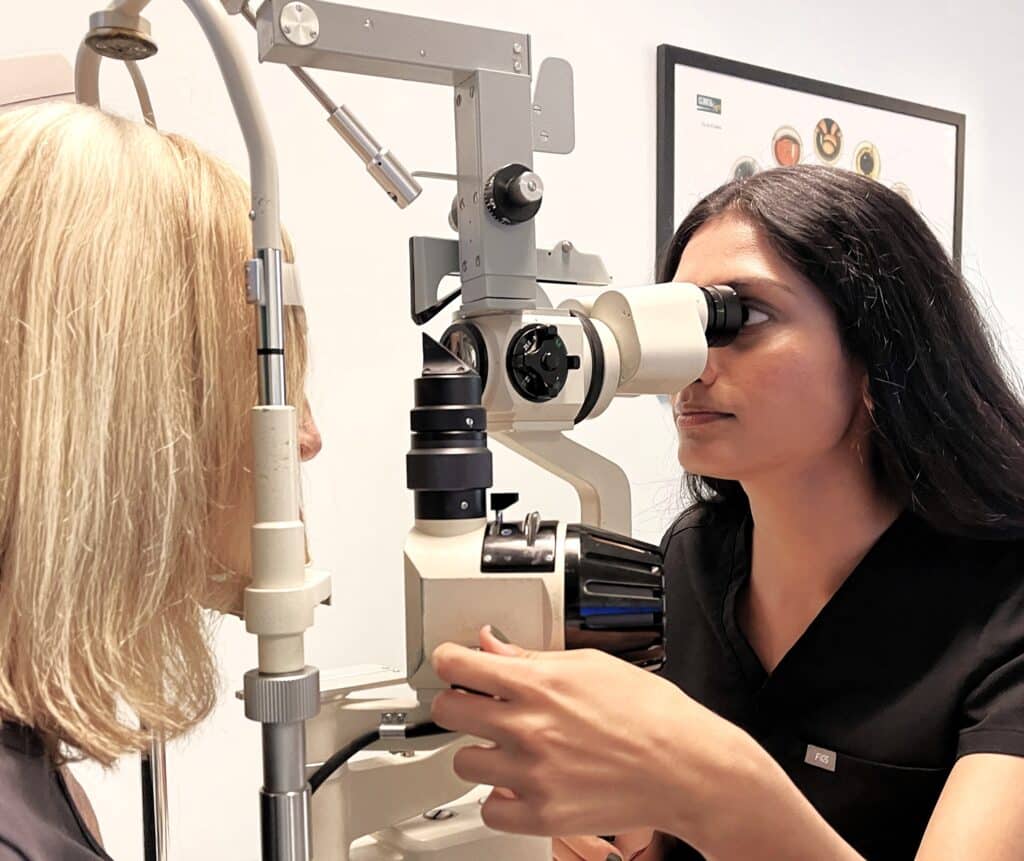
Dr. Patel also says UV exposure can lead to painful photokeratitis (sunburning of the cornea) or the growth of pterygium, abnormal tissue on the surface of the sclera, the “whites” of the eyes. She also notes that the sun isn’t the only source of UV rays that people can encounter.
“Welding torches or tanning lamps also emit UV rays,” says Dr. Patel. “They can also affect you through reflection off of surfaces like water, sand, snow, or concrete, even if you yourself aren’t in full sun.”
Fortunately, you don’t have to completely avoid that big fusion ball in the sky. To get the benefits of sunshine at minimal risk to your eyes, simply follow a few important guidelines.
First, always wear sunglasses if you’re going to be outdoors for any extended period. But not just any pair will do—you’ll need to be selective about what you wear.
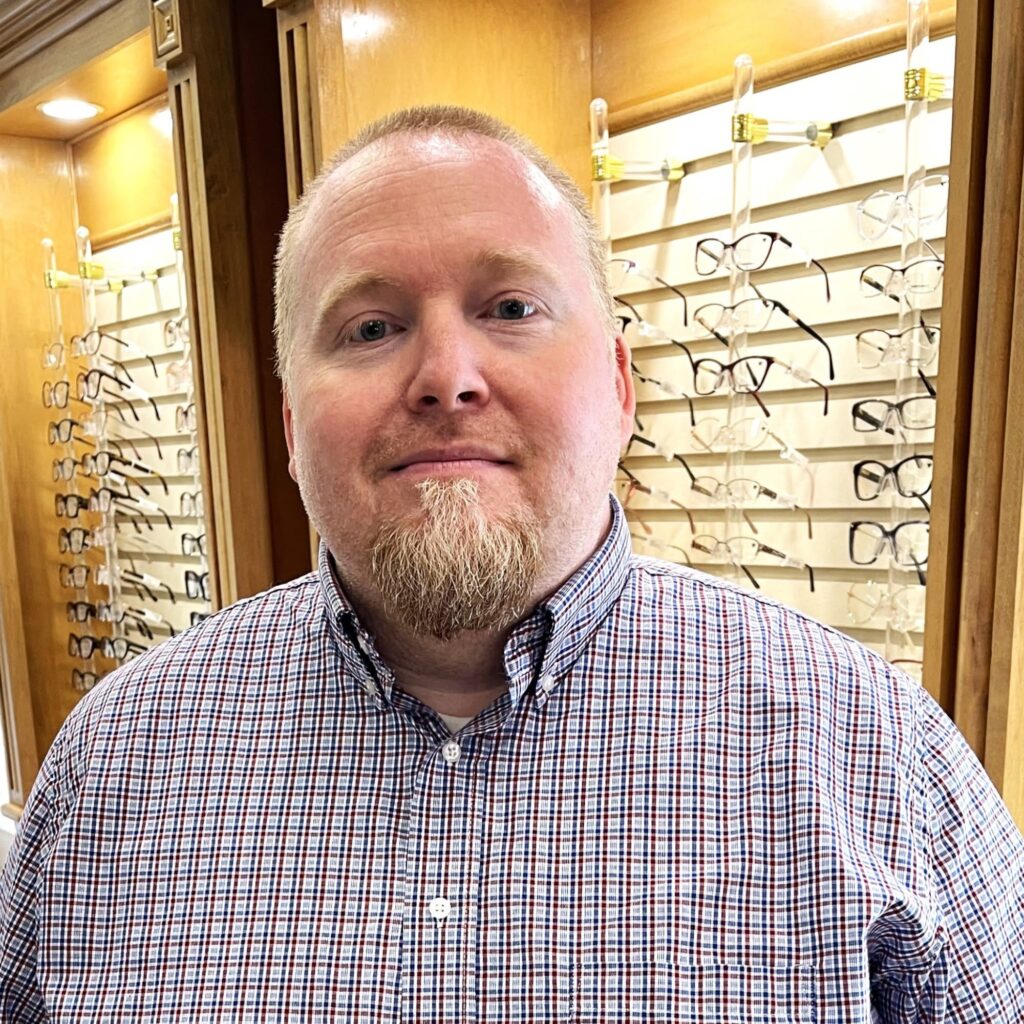
“Sunglasses should do two things: protect your eyes and make you feel great wearing them,” says Brad McGarrah, manager of Hattiesburg Eye Clinic – Optical. “You’ll want a pair that provides complete UV protection while also matching your lifestyle—giving attention to the latter means you’re more likely to wear them while outdoors.”
So, what kind of sunglasses provide UV protection? “Always look for labeling that indicates the lenses provide both 100% UVA and UVB protection,” says McGarrah.
Besides sunglasses, consider also wearing a wide-brimmed hat that enhances eye protection as well as shielding the skin on your face and neck. Many “sun hats” are also made of material designed to protect against UV rays.
Second, limit your time in the sun, especially during periods of highest UV ray intensity.
“Your highest sun exposure risk is when UV rays are strongest, between 10 a.m. and 4 p.m.,” says Dr. Patel. “So, schedule your time outdoors accordingly. And it doesn’t matter if its cloudy—UV rays can penetrate cloud cover.”
Finally, keep up annual eye exams, especially if you’re over 40. “With comprehensive eye exams, we can better detect eye issues early, including those that are UV-related,” says Dr. Patel.
Time outdoors is time well-spent, physically and mentally. Protecting your eyes, as well as the rest of your body, will ensure you enjoy all the upsides—and few of the downsides—being in the sun.
To learn more about Hattiesburg Eye Clinic’s comprehensive vision care services, use the QR code to visit us at hattiesburgeyeclinic.com, or call us at 601-268-5910 (toll-free 800-624-8254).